
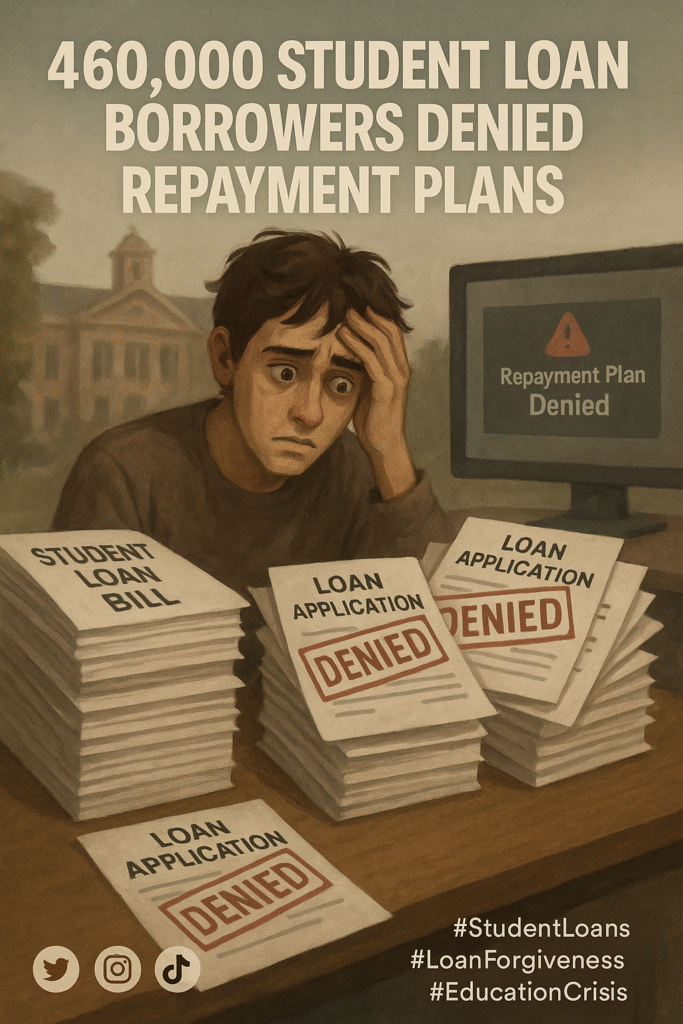
AI Generated
Table of Contents
Breaking Down the Latest Student Loan News
Are you, or someone you know, struggling to keep up with student loan repayments? If so, you’re not alone. In a stunning update this week, nearly 460,000 student loan borrowers across the United States are set to be denied access to income-driven repayment (IDR) plans. These findings have sent shockwaves through the student loan community and raised urgent questions about debt relief and the future of college debt policy.
460K student loan borrowers to be denied repayment plan
460K student loan borrowers to be denied repayment plan https://t.co/dp1dOKx1U8
— POLITICO (@politico) July 18, 2025— POLITICO (@politico) July 18, 2025
What Are Income-Driven Repayment (IDR) Plans?
First things first: let’s break down what these income-driven repayment plans are all about. IDR plans are designed to help people manage their student loan payments based on how much they earn, making college debt more affordable and less stressful. In theory, if you’re making less money, your monthly payments are lower. After a certain number of years—usually 20 or 25—any remaining debt may even be forgiven.
Imagine having your loan payment set at a small portion of your paycheck, giving you breathing room for rent, food, and other day-to-day expenses. Sounds like a lifeline, right? That’s why so many borrowers apply for these plans, especially during tough financial times.
Why Are So Many Student Loan Borrowers Facing Denial?
Here’s where the trouble starts. According to new policy changes and stricter eligibility reviews, almost half a million borrowers will soon see their applications for these plans rejected. But why? It boils down to a mix of new government policies, stricter income verification requirements, and an ongoing debate about who truly qualifies for student loan forgiveness.
Let’s look at the main reasons applications might be denied:
- Your income may be too high based on new federal guidelines.
- You might not have provided enough documentation to prove your financial situation.
- Errors or delays on your application could make the difference between approval and denial.
What Does This Mean for Borrowers?
If you’ve received a denial letter, it’s more than disappointing—it can feel downright scary. You may wonder: Will I have to pay more every month? Will I lose protections against default? For hundreds of thousands, the answer (for now) is yes.
Some may even be forced onto the standard repayment plan, which includes much higher payments stretched over 10 years. For many families already struggling with high rent, groceries, or gas prices, this extra burden can seem impossible to carry.
Did You Know? According to Google Trends, searches for “student loans,” “student loan forgiveness,” and “repayment plans” have all spiked since this news broke. People everywhere are desperate for answers and solutions.
Is There Anything You Can Do If You’ve Been Denied?
Getting denied isn’t necessarily the end of the road. Here are a few steps to consider if you’re one of the 460,000 facing this problem:
- Contact your loan servicer: Sometimes, providing additional documentation or correcting an error can reverse the decision.
- Review your denial letter: Look for specific reasons you were denied. These can help you plan your next steps.
- Explore other repayment options: Standard, graduated, or extended plans might offer temporary relief, even if IDR is off the table.
- Seek professional help: Nonprofit credit counselors or student loan advocates can walk you through your options, often for free.
The Bigger Picture: Why Is Student Loan Debt Such a Crisis?
If you’re thinking, “Why is it so hard to get help with my student loans?”—you’re right to ask. The student debt crisis in America now totals over 1.6 trillion dollars. Millions of people from all walks of life are struggling just to make ends meet, and for many, student loans are a big part of the problem.
Income-driven plans were supposed to make repayment manageable for everyone. But now, with stricter oversight and fewer approvals, it’s clear that many borrowers will need to look elsewhere for relief.
What Are Lawmakers and Advocates Saying?
In Washington, D.C., education advocates and politicians from across the spectrum are weighing in. Some say that these denials hurt working families and will push people into default. Others argue that tightening eligibility is necessary to protect federal resources and ensure that help goes to those who need it most.
Many experts, however, agree that what’s really needed is a simpler, more transparent repayment system—one that treats borrowers fairly and gives everyone a chance at financial stability.
How This Impacts the Student Loan Conversation on Social Media
On social media platforms like Twitter and Instagram, the topic of student loans is on fire. With hashtags like #StudentLoans, #LoanForgiveness, and #DebtRelief trending, it’s clear that people want to be heard. For many, sharing their struggles online has become a form of activism, putting pressure on leaders to deliver real solutions.
Stay Informed and Take Action
If you’re feeling anxious about your loans, remember—you’re not alone, and resources are out there. Stay tuned for further updates, and don’t hesitate to share your own story. The path out of debt can be tough, but knowledge and community can make it a little easier.
Did You Find This Article Helpful?
We want to hear from you! Do you or a loved one have student loans? Have you tried applying for an income-driven repayment plan? Let us know your experience in the comments below.
Key Takeaways: The Current State of Student Loans in the U.S.
- Nearly 460,000 borrowers are set to be denied IDR plans by the government this year.
- Stricter eligibility requirements are a major factor fueling denials.
- Public pressure and rising search interest could shape the policy response.
- Borrowers should act fast if they face denial: contact servicers, seek help, and explore all options.
For ongoing updates, follow trusted news sources and use social media hashtags to stay connected: #StudentLoans #LoanForgiveness #CollegeDebt #RepaymentPlans.
Still looking for answers? Check out resources like the Department of Education’s website or connect with local non-profit credit advisors. And don’t forget—being informed is the first step toward taking control of your loan journey.
Stay strong, stay hopeful, and keep pushing for the debt relief you deserve.
For more updates, follow @da0ne.comda0ne.com and keep an eye on trending topics in the ever-changing world of higher education and student debt.